
24/7 emergency service available995 Forest St, Reno, NV 89509
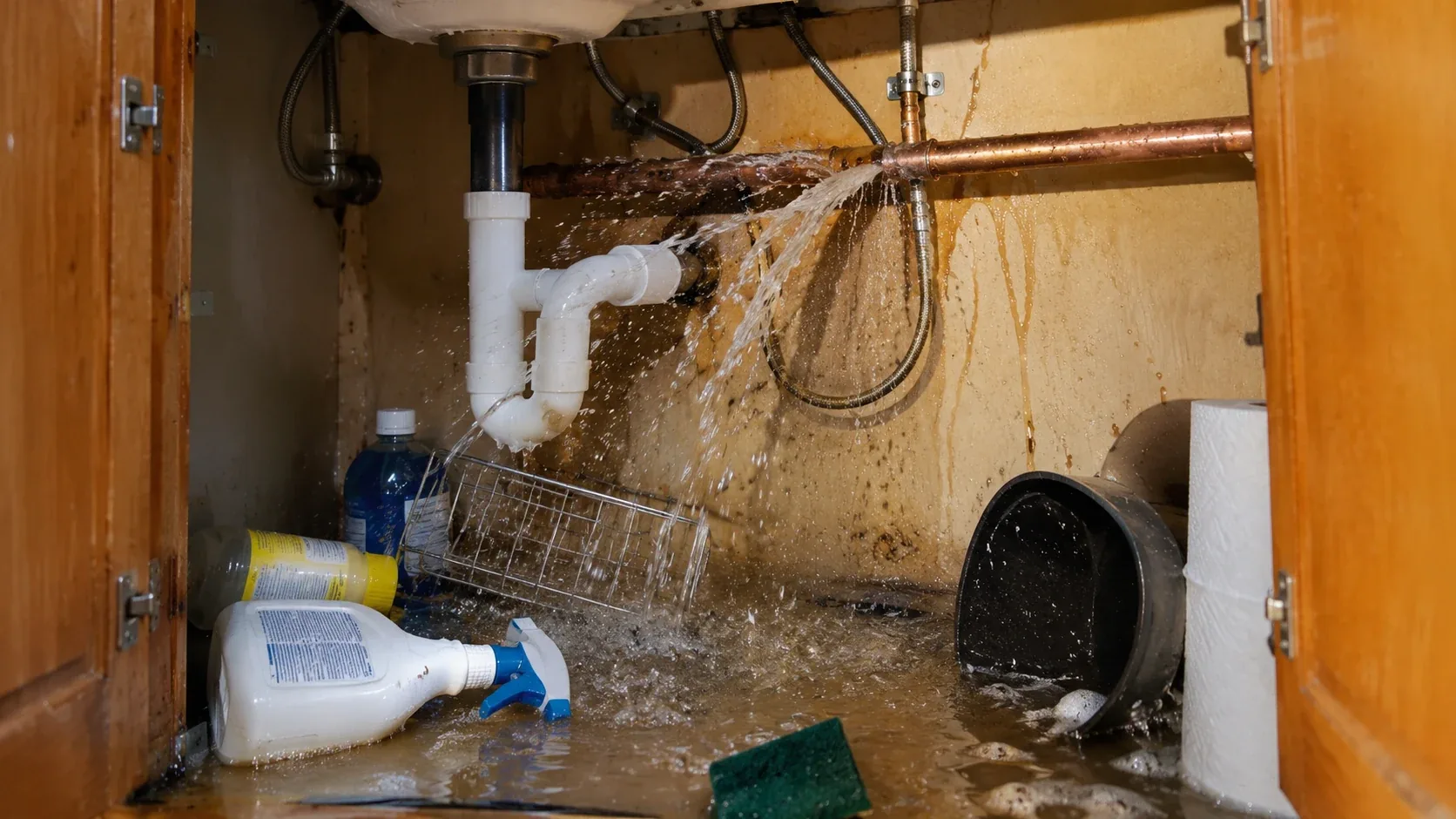
Broken plumbing beneath a kitchen sink with water on the cabinet base

RENO, NEVADA · WATER DAMAGE

Burst Pipe Water Damage
in Reno, NV

A burst supply pipe can send water through a wall before a puddle reaches the room. Reno StormGuard assesses the affected cavities, cabinets and flooring so cleanup follows the water beyond the failed line and drying is checked in the materials that remain.

  • Hidden water traced
  • Cabinets and wall bases checked
  • Drying after source repair
Call about burst pipe water damage{{PHONE_DISPLAY}}

24/7 emergency service available

WHAT THE SERVICE COVERS

Cleaning Up the Water a Burst Pipe Leaves Behind

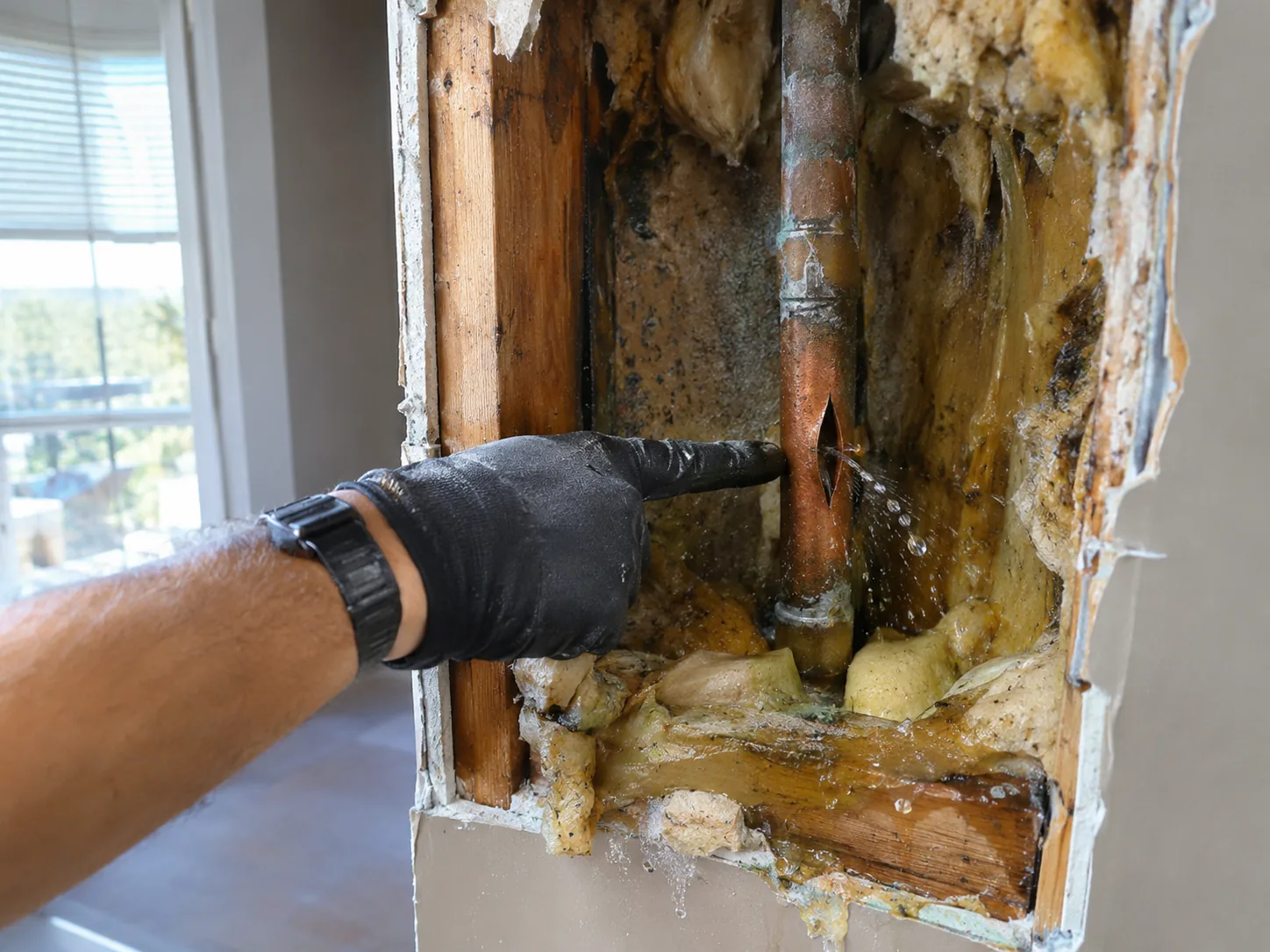
The break itself may occupy a small part of a much larger wet area. Pressurized water can soak insulation, run along the cabinet base and escape beneath flooring. We assess the materials around that route rather than limiting cleanup to the visible pipe opening. Both sides of a partition may need attention when the wall cavity connects adjoining rooms.

Our restoration work addresses water removal, affected materials and structural drying. A plumber needs to assess and repair the failed line so the water source is controlled. Those are connected tasks with different finish points: a repaired pipe stops the release, while moisture checks establish what remains wet in the building after that repair.

Under-sink cabinets need particular attention because their bottom panels can conceal water against the floor. Swelling along an edge may appear after the surface has been wiped. We look at the cabinet material, the wall behind it and the accessible flooring below. The plan explains which parts can stay and where an opening is needed to assess trapped moisture.

Hidden Leaks in Older Old Southwest Reno Plumbing

Old Southwest Reno includes homes with original plumbing and later alterations hidden inside the same walls. A visible fitting may connect to a line that follows an unexpected route. When water appears at a baseboard or ceiling below, the nearest exposed connection is not automatically the source. The pattern of wet materials helps guide the investigation.

Warning signs can include a sudden change in water flow, the sound of water inside a wall, damp trim or a cabinet panel that starts to lift. These clues deserve attention even without a large floor puddle. A slow release behind a finish can spread through porous materials while the room surface still looks largely intact.

Freezing can cause a split, but a burst pipe does not always follow cold weather. Connections and pipe sections can fail under other conditions as well. Tell us if the leak followed a freeze or appeared during ordinary use. The restoration assessment follows the resulting water path, while the plumbing assessment determines why the line failed.

A Pipe Leak Can Travel Down Inside a Wall

Schematic illustration
A Pipe Leak Can Travel Down Inside a WallWater from the supply line can descend between studs and reach the floor beneath the wall. A damp baseboard may mark an exit point rather than the pipe break.Supply line inside the wallStud cavityWater moves downwardBottom plateMoisture can enter the floor belowPipe split
Water from the supply line can descend between studs and reach the floor beneath the wall. A damp baseboard may mark an exit point rather than the pipe break.
Scroll across the schematic on smaller screens

HOW THE WORK IS CARRIED OUT

Our Burst Pipe Water Damage Process in Reno, NV

Opened wall cavity exposing a damaged pipe and stained wood framing

Establish where the release has spread

We use the observed pipe location, wet finishes and accessible moisture readings to define the affected area. Adjacent rooms and the floor below are checked where the construction provides a route. The findings are explained before openings are proposed. This helps distinguish a damp surface beside the pipe from a connected wall or floor assembly that has taken on water farther away.

Extract water and expose trapped pockets

Collectable water is removed from the accessible area. Cabinet bases, insulation and damaged finishes are assessed for their condition and whether they obstruct drying access. Where removal is needed, the reason is connected to a finding, such as trapped water or a deteriorated panel. The plumbing source also needs to be controlled so newly dried materials are not wetted again.

Dry and recheck the affected construction

Drying equipment is arranged for the remaining wall and floor materials. Readings from the identified wet locations are documented at each visit and compared with appropriate dry references. A wall opening that feels dry at its face may still have moisture deeper in the framing or floor connection. Those checks guide adjustments and the decision to close the affected area.

What to Do Before We Arrive

The useful first step is controlling access to the leak, not exposing the pipe yourself. Explain what you can observe without entering wet areas or cutting building materials.

  • Close the main or local supply valve only if you can reach it safely. Do not cross standing water to find a hidden shutoff.
  • Keep clear of wet outlets and electrical equipment in cabinets. Do not unplug a disposal, dishwasher or power strip while standing on a wet floor.
  • Do not cut into a wall to find the pipe. Concealed wiring and the condition of wet finishes need assessment before openings are made.
  • Leave swollen cabinetry and heavy contents supported. Forcing a damaged shelf or moving a loaded cabinet can disturb already weakened panels.
  • Record where the water first appeared and when the supply was stopped. Photographs from dry access points can help describe the affected rooms.

Questions About Burst Pipe Water Damage in Reno

Call {{PHONE_DISPLAY}}

Does stopping the pipe leak mean the wall is dry?

Stopping the supply prevents additional water from entering, but water already held in insulation and framing remains. It may also have reached a floor layer beneath the wall. Those materials need assessment after the plumbing repair. The absence of a new puddle therefore shows that the release has changed, not that the affected construction has finished drying.

Why check the room on the other side of the wall?

A pipe cavity can connect the finishes on both sides of a partition. Water may collect at the bottom plate and reach flooring or trim in the adjoining room. Checking that side helps establish the wet boundary. It does not mean every finish must be removed, but it prevents the visible pipe opening from becoming the only area considered.

Can a wet under-sink cabinet be dried without removal?

The answer depends on its construction, the amount of deterioration and access beneath the bottom panel. Some cabinets allow checks and drying access, while others have swollen or separated material that cannot be restored by drying alone. We explain the condition and proposed work. A wiped cabinet shelf is not proof that the floor below it is dry.

Is frozen-pipe damage handled differently from another burst pipe?

A freeze adds information about where the pipe may have split and when a release might appear during thawing. The water damage still needs its own assessment of cavities, flooring and materials. We ask about freezing conditions so the route can be investigated alongside the plumbing repair, particularly where the line passes through a garage or an exterior wall.

24/7 emergency service available

Call About Burst Pipe Water Damage in Reno, NV

Call about the pipe release and describe the cabinet, wall or room where water appeared, including whether the supply has been stopped.

Call Reno StormGuard{{PHONE_DISPLAY}}
Call {{PHONE_DISPLAY}}