24/7 emergency service available995 Forest St, Reno, NV 89509
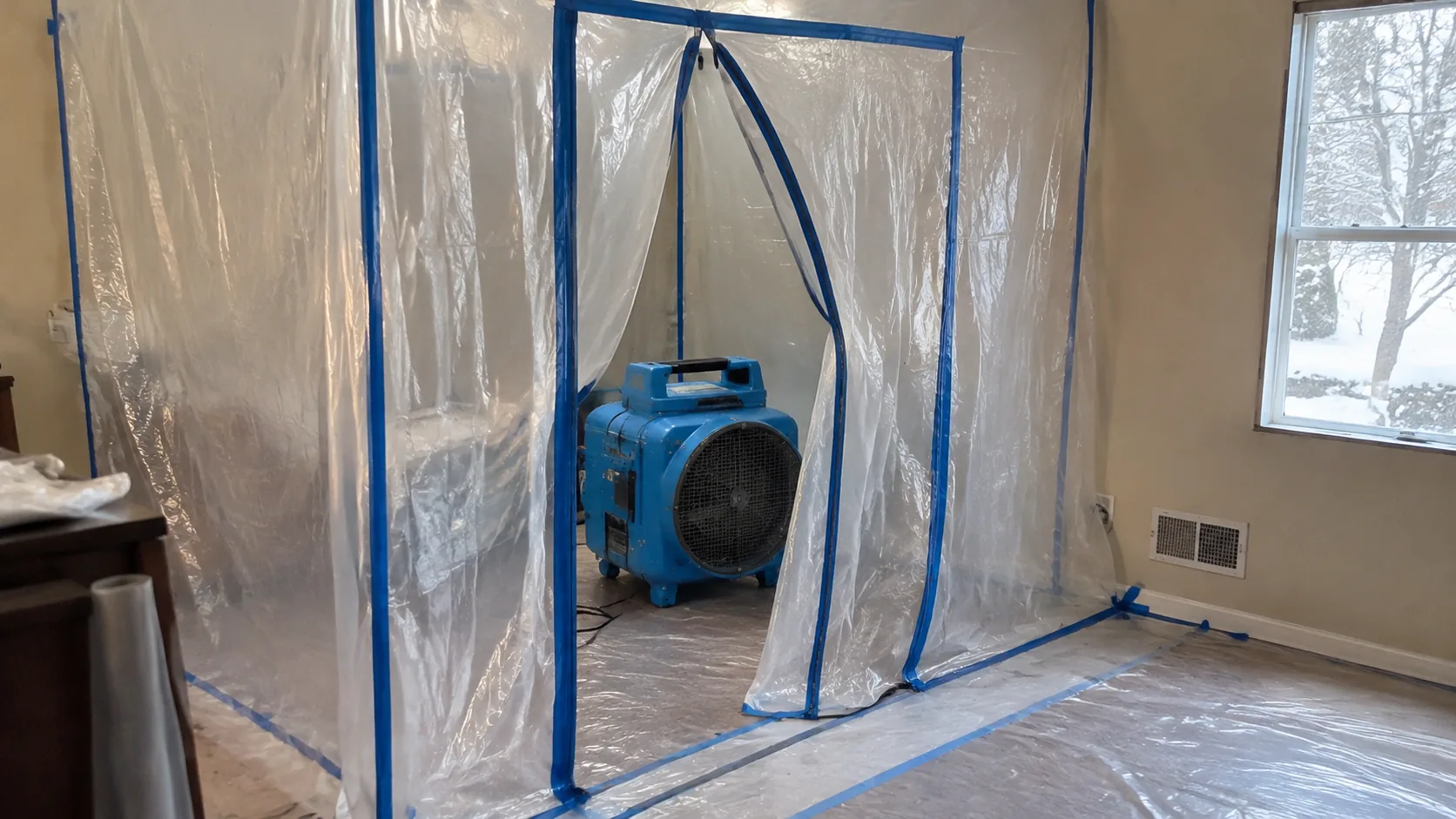
Mold-affected interior wall separated by a containment barrier

RENO, NEVADA · MOLD

Mold Remediation
in Reno, NV

Mold remediation addresses affected materials and the moisture conditions that allowed growth. Reno StormGuard plans the work area, containment, removal and cleaning around the observed extent and building construction, so a surface treatment is not mistaken for resolving growth inside a wet assembly.

  • Affected material assessment
  • Containment and removal planning
  • Moisture source correction
Call about mold remediation{{PHONE_DISPLAY}}

24/7 emergency service available

WHAT THE SERVICE COVERS

What a Mold Remediation Plan Includes

Remediation starts by establishing what material is affected and where the moisture came from. Visible growth on a wall face can be only part of the condition, while a small isolated area may have a different scope from a damp cavity. We assess accessible findings and explain any need for further access. The plan reflects that extent rather than the color of the spots.

Containment and handling are arranged around the work area and the building layout. A hallway used for debris movement, a return-air opening or an adjoining occupied room can influence the setup. Affected porous materials may require removal. Cleanable remaining surfaces are addressed with suitable methods and HEPA cleaning as part of the sequence, rather than depending on a product applied over growth.

The water issue needs its own correction. A repaired roof, stopped supply leak or corrected recurring moisture condition helps prevent the same assembly from becoming wet again. We discuss who is addressing that source and what remains to be checked. Enclosing a cleaned area while the structure is still damp can leave the conditions for renewed growth behind the new finish.

Where Mold Work Often Follows Water Damage in Reno

A slow leak beneath a sink can affect the cabinet back and wallboard before water appears on the kitchen floor. A roof leak can wet insulation and framing above a ceiling while the room surface shows only a stain. In either case, time and access matter. The remediation plan needs the source history as well as what can currently be seen.

Winter moisture is another reason to investigate the assembly. A cold attic or an exterior-wall space can develop repeated damp conditions without one dramatic spill. A Reno homeowner may notice the issue only when stored items are moved or a finish is opened for repair. We separate those observations from assumptions about the full extent and assess the moisture route before planning removal.

An odor, discoloration or a previous cleanup attempt does not define every affected surface. Painting, fragrances and routine wiping can change the room appearance without addressing a wet backing material. Tell us what has already been treated or replaced. Those details help explain why a recurring area may need investigation behind the finish rather than another round of cosmetic work.

Removal and Cleaning Follow the Affected Material

Schematic illustration
Removal and Cleaning Follow the Affected MaterialA defined work area supports debris handling and cleaning. Correcting the moisture source is necessary before the assembly is enclosed again.Affected materialRemoval planHEPA cleaningMoisture correction is part of the workKeep debris inside the work area
A defined work area supports debris handling and cleaning. Correcting the moisture source is necessary before the assembly is enclosed again.
Scroll across the schematic on smaller screens

HOW THE WORK IS CARRIED OUT

Our Mold Remediation Process in Reno, NV

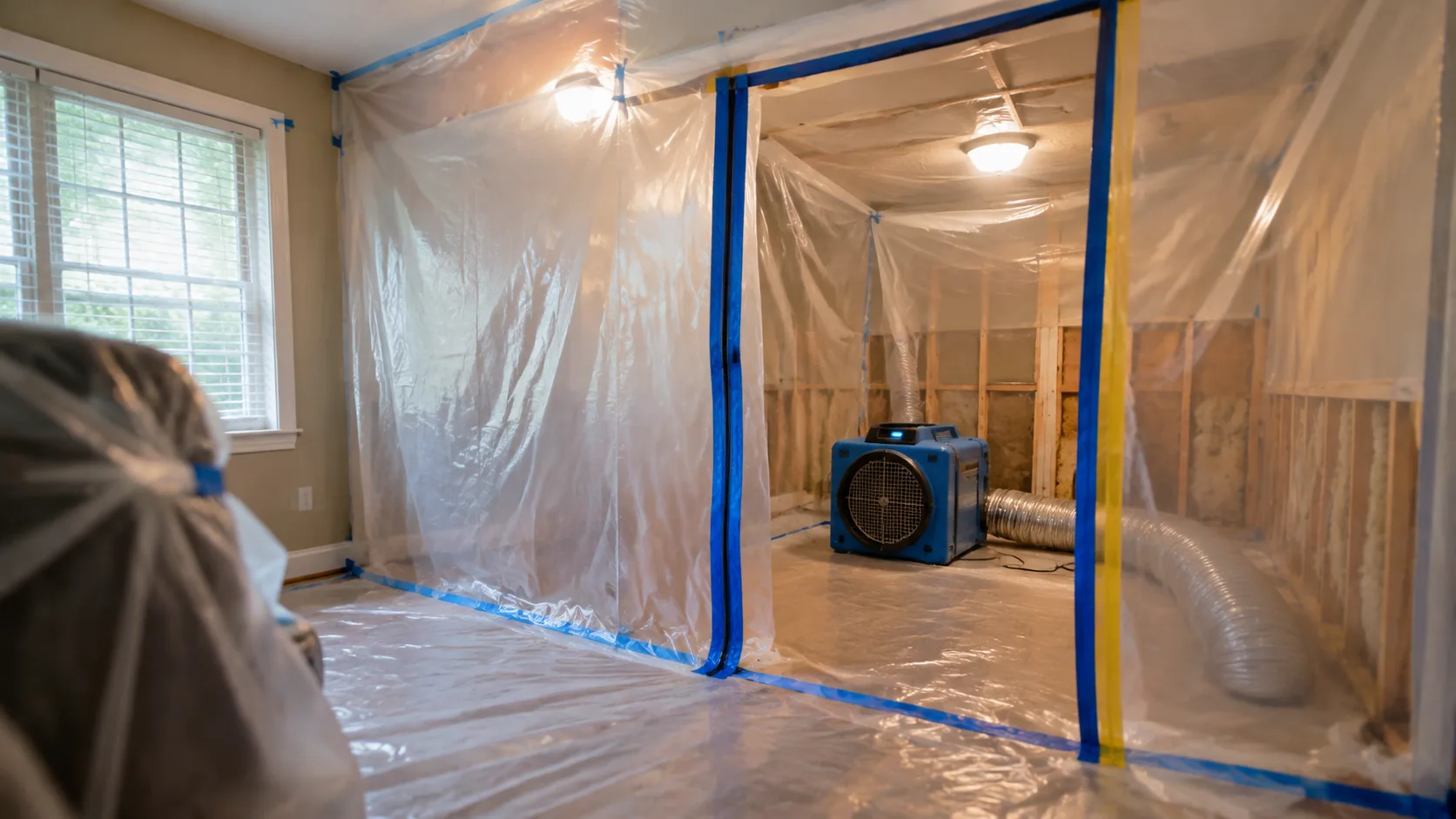
Opened drywall inside a contained mold removal area

Define the scope and moisture problem

We review visible findings, affected materials and the leak or dampness history. Access limits and proposed openings are explained before removal begins. Sampling is considered separately when it can answer a useful question; it is not automatically required simply because growth is visible. The scope identifies how the water source will be addressed alongside the material work and where further findings may change the plan.

Separate the work and remove affected layers

Containment, equipment and debris routes are set for the conditions and layout. Materials that cannot be adequately cleaned in place are removed using the planned handling sequence. Remaining surfaces are cleaned, with HEPA methods used as appropriate to the work. Keeping the removal zone controlled matters because carrying dusty debris through clean rooms can undermine the purpose of separating the work area.

Review cleanliness and the remaining moisture

We assess the remaining accessible surfaces and the moisture condition before the area is prepared for repair. Any agreed additional verification is considered within the defined scope. The review does not replace correction of the leak or recurring condensation. Repair decisions should follow the material findings so new wallboard or trim does not cover an unresolved wet source or affected layer.

What to Do Before We Arrive

Do not disturb visible growth or open a suspect wall while waiting for an assessment. Keep occupants away from affected materials and note recurring water or odors from normal access. A checklist can organize observations without collecting samples or testing a health condition.

Further reading: EPA guidance on mold, moisture and when sampling may be useful.

  • Do not brush, sand or dry-scrub visible growth on wallboard, wood or contents.
  • Keep affected belongings separated from clean storage areas without carrying debris through the house.
  • Avoid directing household fans at visible growth or opened suspect cavities.
  • Record the leak history and any previous painting, cleaning or material replacement.
  • Report active water promptly and keep clear of electrical or unstable ceiling conditions.

Questions About Mold Remediation in Reno

Call {{PHONE_DISPLAY}}

Is a coating enough to deal with mold in wallboard?

A coating does not establish that an affected porous layer has been resolved. The material’s condition and the depth and extent of growth need assessment. Removal may be appropriate, along with cleaning the remaining assembly and correcting the moisture source before it is enclosed.

Is mold testing required before every remediation job?

Testing is not automatically needed when mold is visible. It can be useful when a specific question requires sampling, but the moisture investigation and material assessment remain essential. Discuss the purpose of a proposed sample and how its result would affect the cleanup plan.

Why is a separate work area needed?

Removal and cleaning can disturb affected dust and debris. The work layout, containment and handling route are planned to limit movement into adjoining areas. The arrangement depends on the extent and construction, so it is explained as part of the scope rather than assumed identical for every room.

Can mold return after affected drywall is removed?

It can if the moisture condition continues or affected material remains elsewhere in the assembly. Removing one visible panel does not correct a leaking roof or persistent dampness. The plan needs source correction and review of the remaining materials before replacement finishes cover them.

24/7 emergency service available

Call About Mold Remediation in Reno, NV

Call with the visible location, the moisture history and any previous cleanup. Leave suspect materials undisturbed while the scope is discussed.

Call Reno StormGuard{{PHONE_DISPLAY}}
Call {{PHONE_DISPLAY}}