24/7 emergency service available995 Forest St, Reno, NV 89509
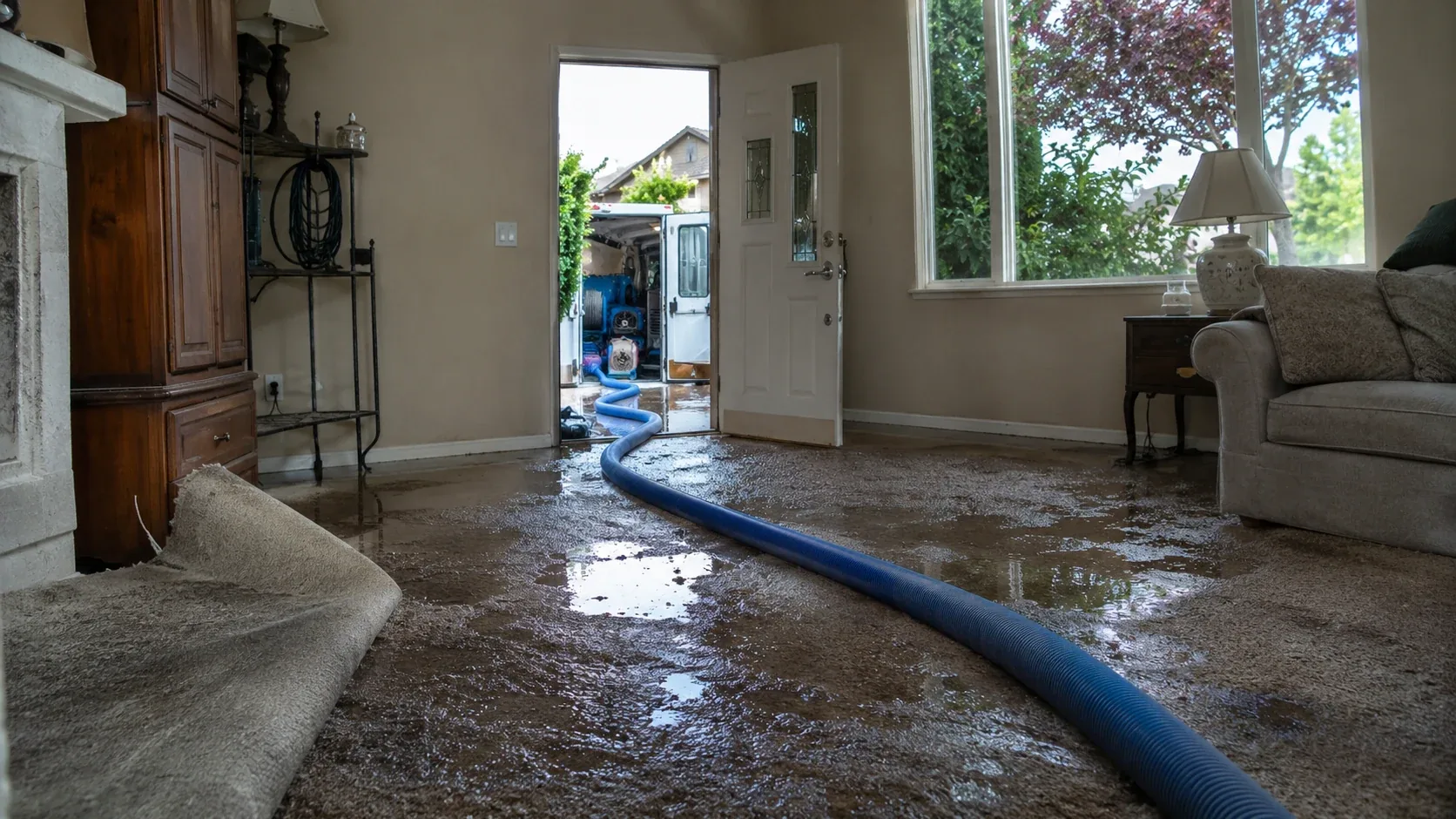
Extraction hose running across a water-covered living room floor toward an open doorway

RENO, NEVADA · WATER DAMAGE

Emergency Water Extraction
in Reno, NV

Standing water keeps feeding moisture into floors and wall bases. Our emergency water extraction service in Reno removes that water with a setup matched to the room, the access route and the condition of the water before the remaining materials are assessed for drying.

  • Standing water removal
  • Carpet and padding assessed
  • Wet subfloor checks
Call about emergency water extraction{{PHONE_DISPLAY}}

24/7 emergency service available

WHAT THE SERVICE COVERS

Removing Standing Water From Floors, Carpet and Padding

Extraction is the physical removal of water that can be collected from an affected space. It may involve a pump, a floor tool or a carpet wand, depending on the depth and the surface. The aim is to reduce the water held in the room before drying is arranged. It does not establish that the building materials underneath are already dry.

Carpet and its pad behave differently during a water loss. A wand can pull water from the carpet face while the backing, padding or subfloor remains saturated. We assess the whole assembly rather than using a drier-looking carpet as the finish point. Contaminated water or damaged padding can also change whether those layers should remain in the room.

In a South Reno home with connected living areas, water can run beneath furniture and through doorways before it is noticed. Extraction therefore follows the accessible wet area, including edges where the water is less obvious. The equipment plan must allow safe movement through the home without carrying collected water or affected materials across rooms that are still dry.

Why Clear Floors Can Still Hold Moisture Underneath

A glossy hard floor may hide water at seams, beneath an underlayment or along the wall perimeter. Carpet can feel less wet on top while its pad still releases water under pressure. Those conditions explain why extraction is followed by material checks. More passes over the surface cannot resolve every pocket of water sealed beneath a finish.

Reno homes can take on standing water from a thawed pipe, an appliance connection or an opening during a storm. A lower room receiving outdoor runoff brings another question: what the water carried inside. The source needs to be described before cleanup methods are selected, particularly when sewage or floodwater may be involved.

Access also affects the setup. A truck-mounted unit needs a practical route for hoses, while portable equipment can serve spaces where that route is restricted. Distance, stairs, room layout and the surface all matter. Equipment is chosen around those conditions, rather than promising one machine will be appropriate for every home.

What Extraction Removes and What Drying Must Address

Schematic illustration
What Extraction Removes and What Drying Must AddressThe extraction tool carries collectable water to a tank. Damp backing, padding and subfloor layers still need separate assessment after water has been removed from the surface.Water at floor levelExtraction unitCollection tankCarpetPaddingSubfloorWet layers still need assessmentCollected water
The extraction tool carries collectable water to a tank. Damp backing, padding and subfloor layers still need separate assessment after water has been removed from the surface.
Scroll across the schematic on smaller screens

HOW THE WORK IS CARRIED OUT

Our Emergency Water Extraction Process in Reno, NV

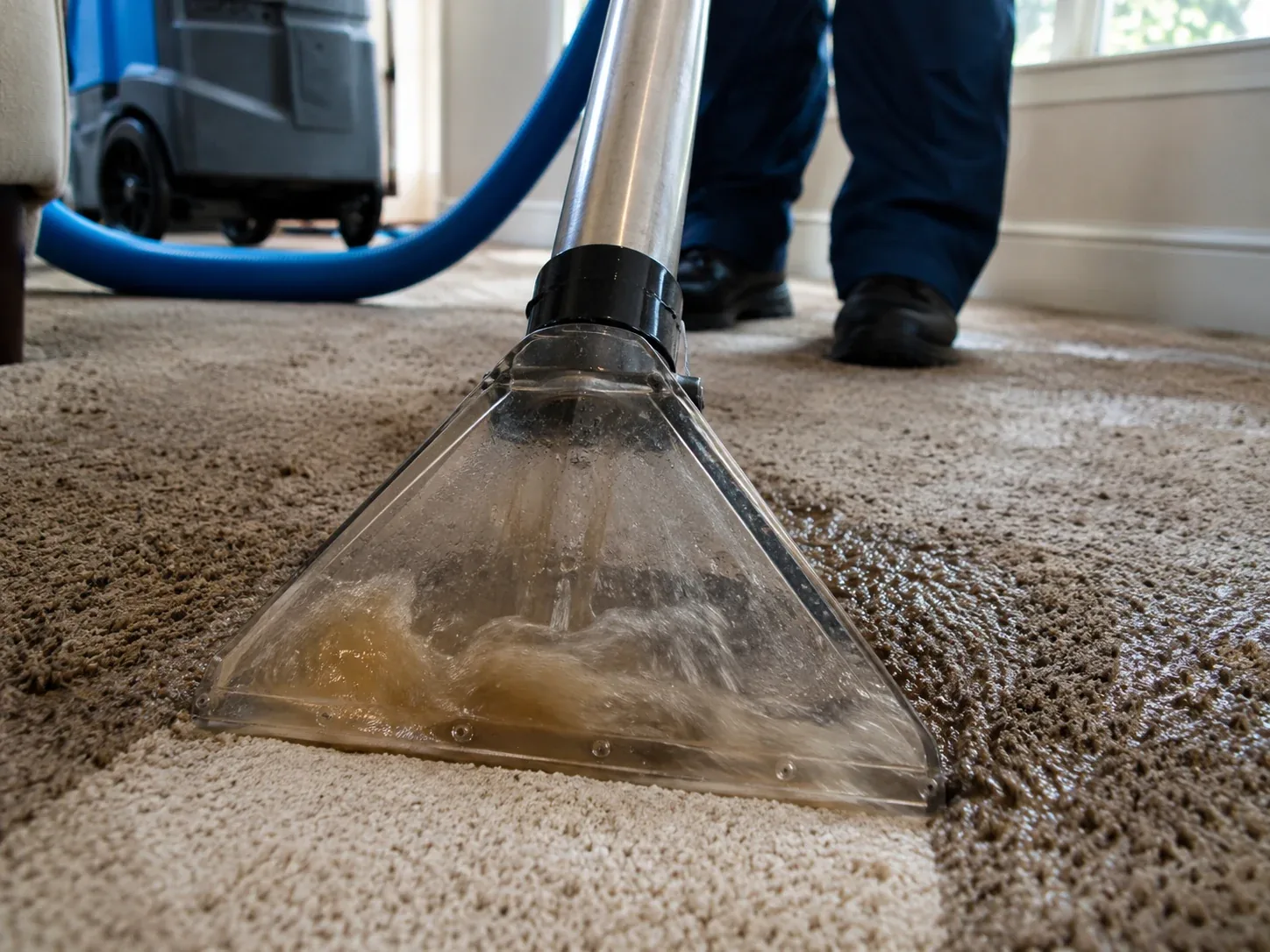
Extraction wand pulling water from soaked carpet beside a portable machine

Assess the water and the access route

We establish where the standing water is, what surfaces it covers and whether the source has stopped. Electrical hazards and potential contamination are considered before equipment enters the room. We then select a route for hoses or a portable unit that avoids unnecessary movement through unaffected space. The setup is discussed with you so the extraction area and any access restrictions are clear.

Collect water using the appropriate tools

Pumping or floor extraction addresses the collected water, while carpet tools are used where the carpet assembly can be assessed and handled. Water at edges and transitions is checked as the main surface clears. A portable unit and a truck-mounted system serve the same basic purpose through different access arrangements. The tool choice follows the actual surface and water conditions.

Evaluate wet layers and start the drying plan

After extraction, readings and accessible checks identify moisture in padding, wall bases and subfloors. Materials that cannot remain are discussed before drying equipment is arranged. Air movement and dehumidification address moisture that extraction could not collect. Those material readings provide a starting point for later visits, rather than treating the removal of visible water as a complete restoration outcome.

What to Do Before We Arrive

Do not walk into standing water to prepare the room for extraction. The condition of the floor and the location of electrical equipment matter more than moving belongings before help is arranged.

  • Stay outside water that may contact outlets, power strips or appliances. A dry-looking switch does not show whether the equipment below it is wet.
  • Stop an accessible supply valve only from a safe position. Do not carry electrical tools across a wet room to reach the source.
  • Keep children and pets away from the affected area, including carpet that may contain water from an outdoor source or backed-up drain.
  • Avoid lifting heavy soaked furniture or rolling wet carpet through the home. Explain those items and any blocked doorways when calling.
  • Leave household fans off where contamination or mold is suspected. The water conditions should be assessed before air is moved through the area.

Questions About Emergency Water Extraction in Reno

Call {{PHONE_DISPLAY}}

Will an extraction wand remove all the water from carpet?

A wand removes collectable water, but its use does not prove that the carpet pad or subfloor is dry. Those layers need their own assessment. The water source also affects whether carpet materials can remain. Drying, cleaning or removal may therefore be necessary even after repeated extraction passes leave the carpet face looking much less wet.

When is portable extraction equipment used?

Portable equipment can be useful where a hose route from a vehicle is restricted or where the affected room has awkward access. A truck-mounted setup may suit another layout. We assess the route, surface and water conditions rather than treating either arrangement as a universal choice. Both require attention to the moisture left in materials after extraction.

Can I use a household vacuum on the water?

Do not use an ordinary household vacuum to collect water. Electrical equipment that is not designed for wet pickup should stay out of the area, and a wet-rated unit does not remove the need to assess electrical hazards or contamination. Describe the standing water from a safe position instead of bringing equipment into a room whose conditions are uncertain.

What happens after the visible water has been collected?

We assess the layers that were submerged or in contact with the water, including floor edges and lower walls. Readings help identify what still needs drying and what may need removal. That assessment forms the next stage of work. A clear walkway is useful, but it is not evidence that the carpet backing, wall cavity or subfloor has returned to normal moisture levels.

24/7 emergency service available

Call About Emergency Water Extraction in Reno, NV

Call about standing water and explain the floor surface, the apparent source and any access concerns so the extraction setup can be discussed.

Call Reno StormGuard{{PHONE_DISPLAY}}
Call {{PHONE_DISPLAY}}