
24/7 emergency service available995 Forest St, Reno, NV 89509
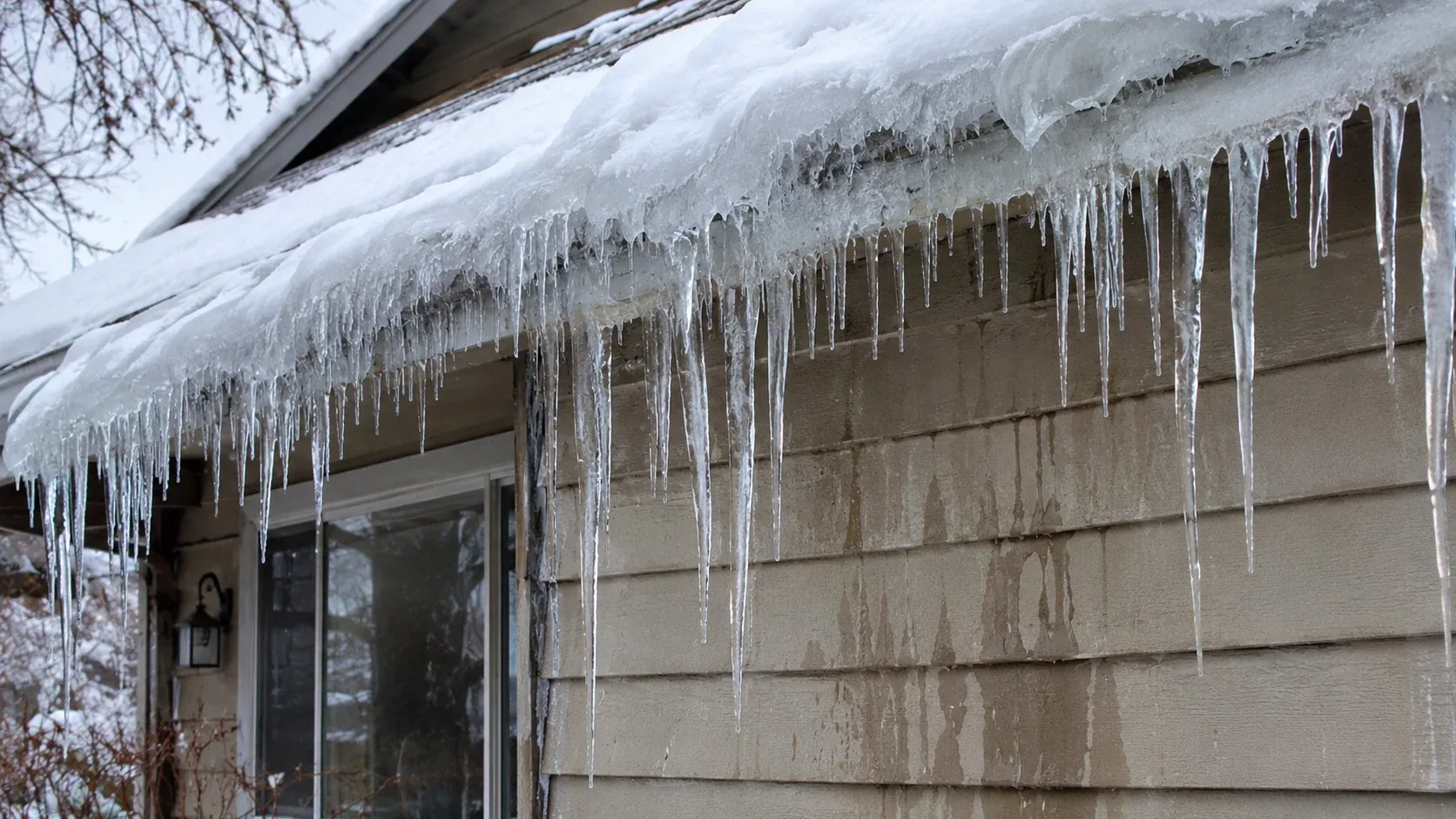
Ice and long icicles beneath a snow-covered roof edge above exterior siding

RENO, NEVADA · STORM & WINTER DAMAGE

Ice Dam Water Damage
in Reno, NV

Ice at a roof edge can block drainage and push meltwater beneath shingles. Reno StormGuard assesses the resulting water damage near eaves, ceiling edges and exterior wall cavities, with drying checks that follow the meltwater into the construction below.

  • Eave-related leaks assessed
  • Exterior wall cavities checked
  • Wet insulation considered
Call about ice dam water damage{{PHONE_DISPLAY}}

24/7 emergency service available

WHAT THE SERVICE COVERS

Interior Water Damage Beneath an Ice-Blocked Roof Edge

An ice dam creates a drainage problem at a colder roof edge. Meltwater can collect behind the ice and reach beneath shingles instead of running off the eaves. The indoor loss may appear as wet insulation, a stained ceiling perimeter or a damp exterior wall. Our restoration work addresses those interior materials and the moisture left after the entry has been controlled.

The damage can extend below the roof edge into a connected wall cavity. Water may remain behind the finish without producing a large room-side drip. We assess the accessible attic area, the ceiling-to-wall connection and lower materials where the route continues. That assessment helps decide what can remain and where trapped moisture requires access.

Roof and ice management need the appropriate exterior assessment alongside interior cleanup. Drying equipment inside cannot make blocked roof drainage function, and removing visible icicles alone does not establish that the building is no longer taking on water. The interior plan follows the affected materials while the source of backup and future wetting is addressed.

Why Reno Roof Edges Can Freeze While Snow Above Melts

Heat reaching a snow-covered roof can contribute to melting higher on the slope while the colder eave remains below freezing. Water refreezing at that edge can obstruct later meltwater. Reno’s freezing nights and changing winter conditions can therefore produce a leak without a newly broken shingle. The route differs from a general age-related roof leak even when the indoor stain looks similar.

In Northwest Reno or Somersett, report whether staining began after snow accumulated and whether the wet area sits near an exterior wall. Those details provide context, but an assessment is still needed to identify the actual route. Ice outside and a stain inside can be connected without proving that every wall below that roof edge is affected.

Signs worth describing include ceiling-edge staining, damp trim below the eave or attic insulation that appears wet from an accessible, safe viewpoint. A room surface may dry between melt periods while moisture remains enclosed. Repeated wetting needs investigation rather than another coat of paint, particularly where insulation limits the movement of drying air around the wall and roof connection.

How Ice at the Eave Backs Meltwater Beneath Shingles

Schematic illustration
How Ice at the Eave Backs Meltwater Beneath ShinglesThe cutaway shows roof snow, meltwater held behind a colder ice edge and a route into the wall below. It explains the mechanism without assigning a measured water level.Roof snowIce at the colder eaveMeltwater backs beneath shinglesWet ceiling and exterior wallInterior construction below the roof edge
The cutaway shows roof snow, meltwater held behind a colder ice edge and a route into the wall below. It explains the mechanism without assigning a measured water level.
Scroll across the schematic on smaller screens

HOW THE WORK IS CARRIED OUT

Our Ice Dam Water Damage Process in Reno, NV

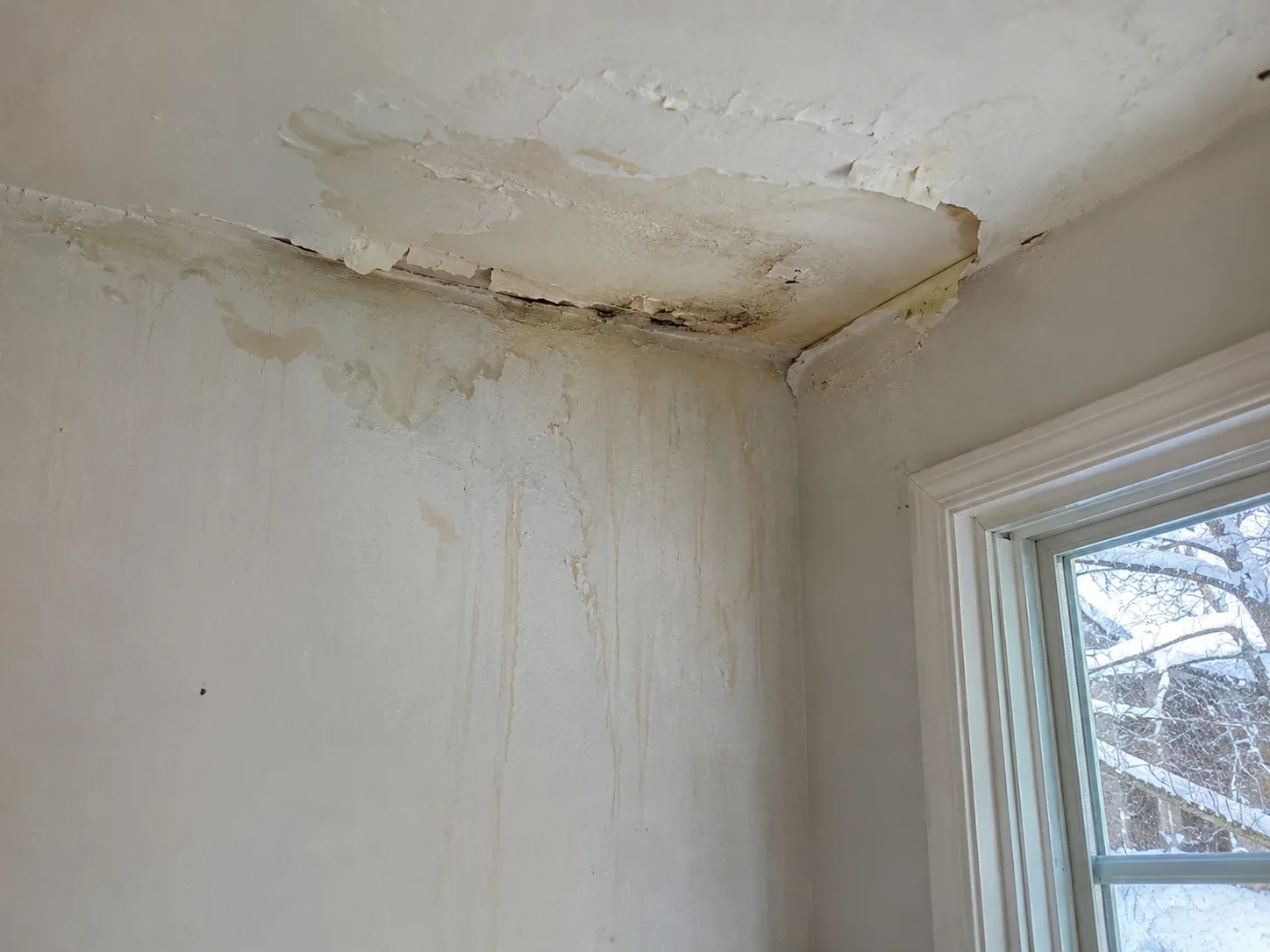
Water staining along a ceiling edge and the upper part of an exterior wall

Follow the eave leak into adjoining construction

We connect the reported snow and melt history with accessible interior readings. Ceiling perimeters, upper exterior walls and attic materials near the affected edge are considered together. The goal is to understand the route beneath the backup, including where it continues into the wall. Any access needed for assessment is discussed without asking you to climb onto the roof to confirm the ice condition.

Assess insulation and finishes holding meltwater

Collected indoor water and affected materials are addressed according to their condition. Insulation or damaged finishes may conceal wet framing or obstruct drying at a tight roof-to-wall junction. We explain the findings behind proposed removal. The exterior drainage condition also needs attention so additional melt periods do not feed water into the same assembly while interior restoration is underway.

Dry the eave-to-wall assembly and recheck it

Drying is arranged for the retained construction, with readings documented at subsequent visits. Comparison with suitable dry materials helps establish the target for the affected framing or wall finish. We pay attention to areas that remain wet when more exposed surfaces have dried. Final checks are made before insulation and finishes conceal the roof edge connection again.

What to Do Before We Arrive

Ice and falling material make roof-edge access hazardous. Keep observations indoors or at a safe distance on the ground, and avoid improvised attempts to break the blockage.

  • Stay clear of the area below hanging ice and snow. Keep doors or walkways beneath a loaded eave out of use where falling material is a concern.
  • Do not climb an icy roof or lean a ladder against its edge to inspect the suspected backup. Exterior conditions require suitable access and equipment.
  • Do not chip ice, force objects beneath shingles or use an open flame at the roof edge. Those actions can damage materials or create further hazards.
  • Avoid touching wet ceiling lights and softened finishes inside. Keep the area below a sagging ceiling clear rather than attempting to drain it yourself.
  • Note which snow or melt conditions preceded the leak and the rooms along the affected exterior wall. Share only photographs obtained without approaching unstable ice.

Questions About Ice Dam Water Damage in Reno

Call {{PHONE_DISPLAY}}

Can an ice dam cause a leak without a missing shingle?

Yes. Meltwater held behind an ice blockage can reach beneath shingles and enter the assembly without a visibly missing piece. That mechanism is different from rain falling directly through an exposed opening. The roof condition still needs assessment, while interior checks establish which insulation, ceiling edges or wall cavities have actually become wet.

Why does the wall below the eave need checking?

The roof edge and the exterior wall meet in a connected part of the construction. Water entering at that junction can descend within the wall instead of dropping straight into the room. A ceiling-edge mark may therefore be only the first visible clue. We assess adjoining materials where the moisture pattern suggests a continuation below the eave.

Will removing the icicles resolve the indoor damage?

Visible icicles are not a complete measure of roof drainage or interior moisture. Even after an exterior blockage is addressed, insulation and wood below it may remain wet. Those materials need assessment for removal or drying. The roof-edge work and the indoor moisture checks therefore answer different questions and should not be treated as interchangeable finish points.

Why can the same stain return during another melt period?

If the route for backed-up water remains active, another melt period can rewet the same construction. A stain can also remain visible after an earlier loss, so appearance alone cannot identify current moisture. Explain when it changes and what exterior work has occurred. Readings and accessible findings help separate fresh wetting from the old mark.

24/7 emergency service available

Call About Ice Dam Water Damage in Reno, NV

Call about staining near the eaves or an exterior wall after snowmelt, and describe any continuing roof-edge backup without approaching the ice.

Call Reno StormGuard{{PHONE_DISPLAY}}
Call {{PHONE_DISPLAY}}