
24/7 emergency service available995 Forest St, Reno, NV 89509
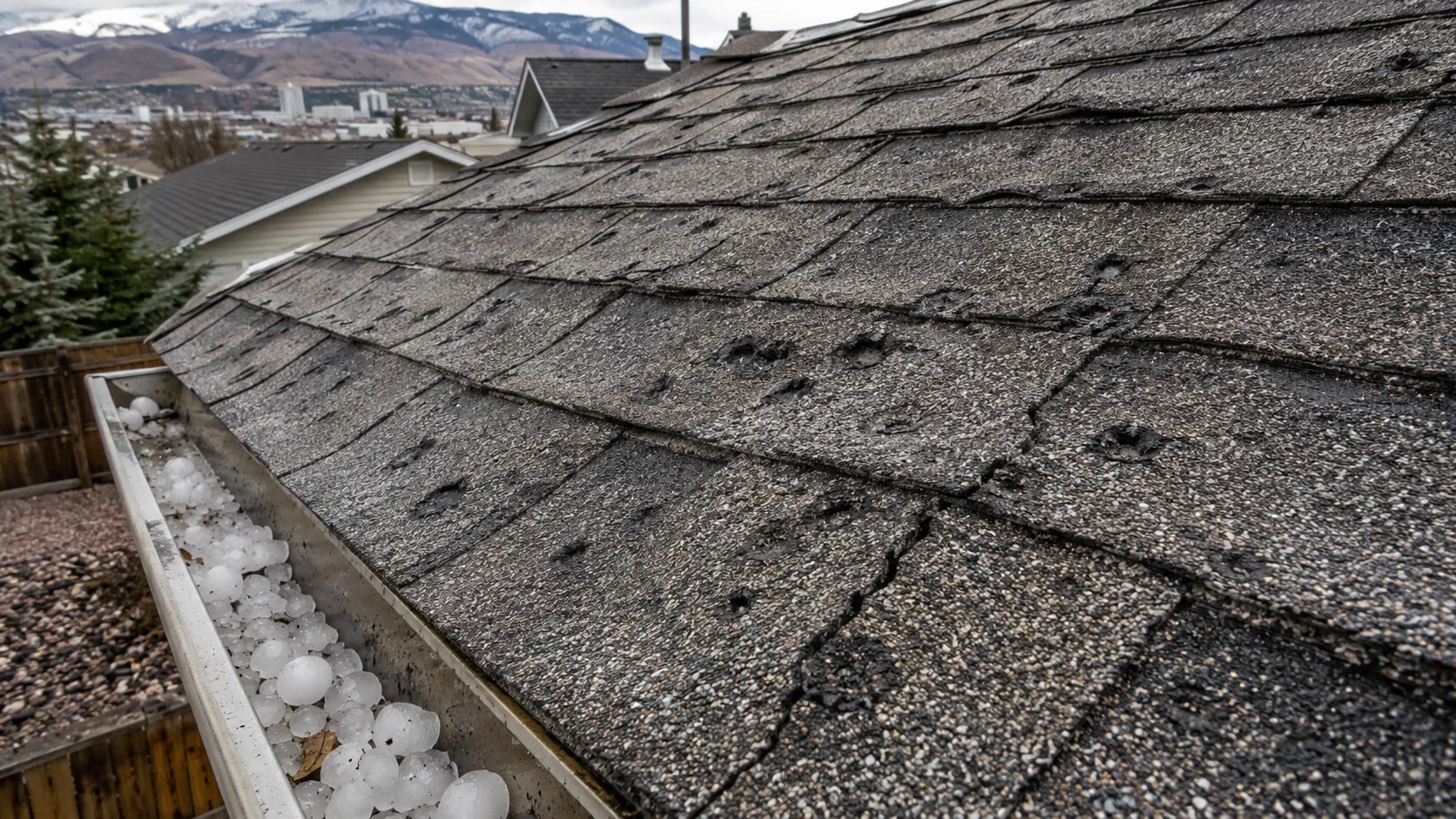
Hailstones gathered along a roof edge beside visibly damaged shingles

RENO, NEVADA · STORM & WINTER DAMAGE

Hail Damage Water Restoration
in Reno, NV

Hail can create an opening that lets later rain reach the rooms below. Reno StormGuard assesses the interior water damage after hail strikes shingles, skylights, windows or siding, with cleanup and drying focused on the materials reached through that new entry.

  • Post-hail water paths traced
  • Skylight and window areas checked
  • Interior materials assessed
Call about hail damage water restoration{{PHONE_DISPLAY}}

24/7 emergency service available

WHAT THE SERVICE COVERS

Interior Water Damage After Hail Creates an Opening

This service begins with water entering after a hail impact has damaged part of the exterior. The hail itself may have stopped before a ceiling mark appears. A cracked skylight or exposed shingle area can continue admitting rain, so the interior assessment considers the opening and the route beneath it. Hail on the ground alone does not establish that the building has taken on water.

We assess soaked insulation, drywall, trim and flooring reached by that intrusion. Water removal, material evaluation and drying are arranged around the findings. The service addresses the resulting interior water damage; it does not stand in for roof replacement or glass repair. The damaged exterior part needs its own assessment so further rain does not repeat the loss.

A skylight opening can direct water onto a ceiling edge before it reaches the floor. A broken window may instead wet the sill, wall cavity and nearby flooring. Those assemblies need different access for assessment and drying. We explain the affected materials and any proposed removal rather than treating every post-hail stain as the same kind of repair.

How Reno Summer Hail Can Lead to an Indoor Leak

Summer thunderstorms can bring hail and rain through the same period of weather. An impact that cracks glazing or exposes a roof detail creates a path for that water. In a Somersett home with a skylight, the first visible clue may be damp trim around the light opening. The relevant connection is the newly damaged surface and the moisture below it, not the neighborhood by itself.

Tell us if the leak began after hail, whether glass was damaged and which room sits beneath the suspected roof area. Fresh staining, dripping at a skylight frame or water below a broken window can help establish where to inspect. These are observations to report from safe indoor positions, rather than reasons to climb onto the roof to look for impact marks.

An older roof leak can also become visible during a hailstorm without being caused by hail. We keep the reported event separate from findings about the actual water route. General age-related leaks and flashing problems are addressed on the roof leak service page. Here, the focus is interior wetting connected to an opening created by the hail event.

A Hail-Cracked Skylight Can Wet the Ceiling Below

Schematic illustration
A Hail-Cracked Skylight Can Wet the Ceiling BelowRain follows the damaged glazing or surrounding opening into the skylight shaft. Moisture around that route needs checking even when the visible drip falls into a small area.Hail impactCracked skylightWater in the shaftCeiling materials below the openingRoof and glass repair are separate work
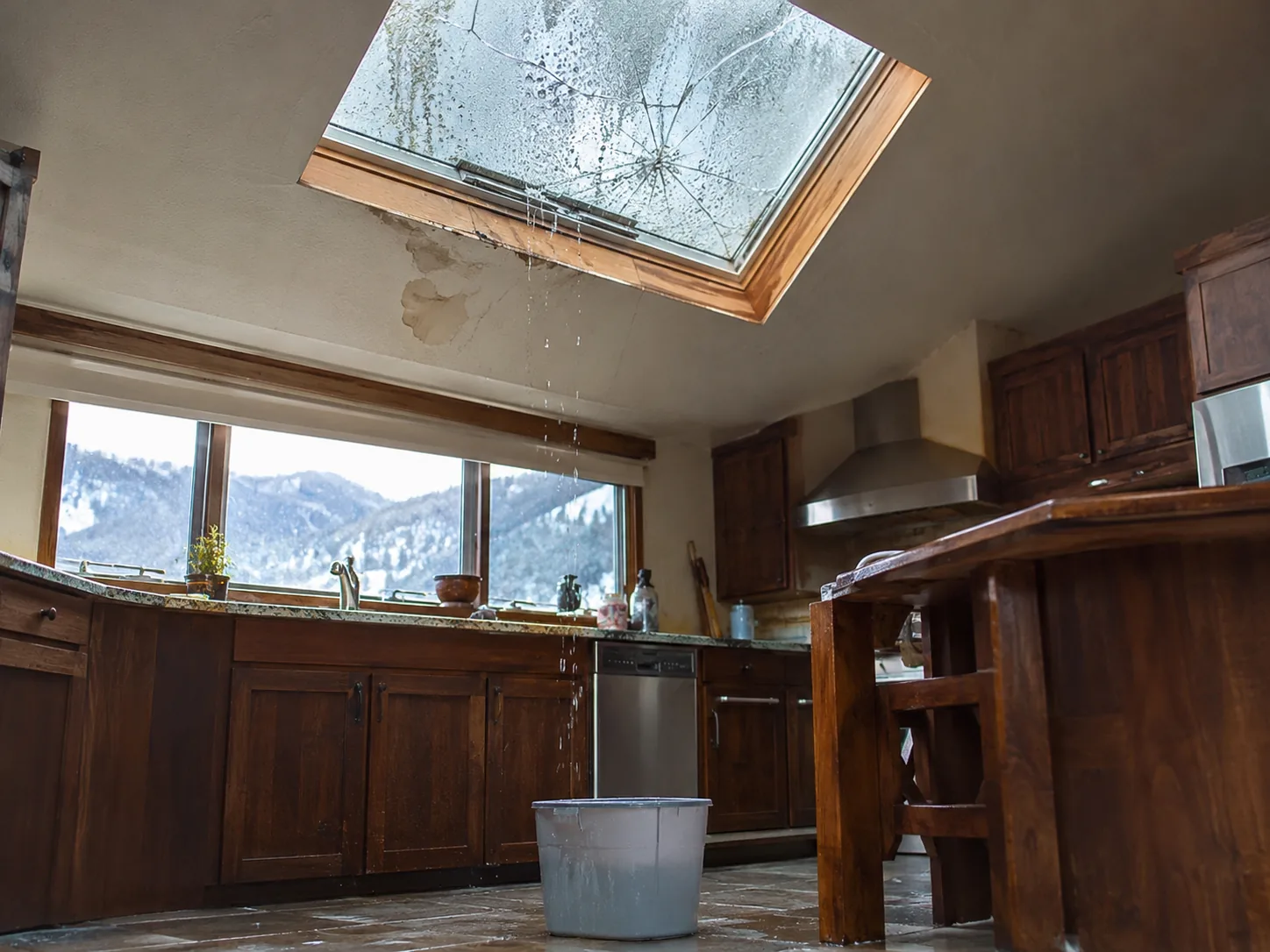
Rain follows the damaged glazing or surrounding opening into the skylight shaft. Moisture around that route needs checking even when the visible drip falls into a small area.
Scroll across the schematic on smaller screens

HOW THE WORK IS CARRIED OUT

Our Hail Damage Water Restoration Process in Reno, NV

Cracked skylight above a kitchen with water stains around the ceiling opening

Identify the post-impact water route

We start with the damaged skylight, window or reported roof area and compare it with accessible interior moisture findings. Ceiling edges, adjoining insulation and wall paths are checked where the construction allows water to travel. The aim is to locate the affected assembly rather than infer damage from exterior impact marks alone. An exposed opening also needs attention before further rain enters.

Assess wet finishes below the opening

Collectable indoor water is removed where present. We evaluate the drywall, insulation and trim reached by the intrusion, including layers that are not exposed to room air. A visibly cracked skylight can have a wider wet area around its shaft than the drip suggests. Any opening or material removal proposed for assessment is explained before that work starts.

Dry the interior separately from exterior repair

Drying equipment is placed around the materials that can remain, while the exterior damage is addressed by the appropriate trade. Recorded readings show whether moisture is receding in the shaft, ceiling or wall assembly. We check for renewed wetting if more weather passes through. The interior is assessed before new finishes conceal it, rather than using the completion of glass or roof work as proof of dryness.

What to Do Before We Arrive

Broken glass and exposed roofing change how the affected room should be approached. Do not investigate an impact point from outside while surfaces are wet or damaged.

  • Keep people away from cracked skylights and broken window glass. Loose fragments may remain in a frame or fall from above.
  • Do not climb onto roofing to confirm hail marks. Describe visible damage from a stable indoor or ground-level position instead.
  • Avoid wet light fittings beneath a skylight shaft. Do not touch a fixture or operate nearby electrical equipment from a wet floor.
  • Leave swollen ceiling material undisturbed. Pressing on a wet area or pulling at loose trim can release material held overhead.
  • Note when hail occurred and when indoor leaking began. Photographs of the interior route are useful only when they can be taken safely.

Questions About Hail Damage Water Restoration in Reno

Call {{PHONE_DISPLAY}}

Does every hail-damaged roof need interior water restoration?

No. An exterior impact does not automatically mean water reached the inside. This service is relevant when rain has entered through hail-related damage and affected interior materials. The condition of the roof still needs an exterior assessment. We look at the indoor moisture route so the restoration work is tied to wet construction rather than the presence of hail marks alone.

Do you replace the roof as part of this service?

This page describes interior water cleanup and drying after hail creates an entry. Roof replacement and repairs to glazing or siding are separate exterior work. Those repairs matter because an open route can admit more rain, but they do not establish whether attic insulation, a ceiling shaft or flooring beneath the opening has finished drying.

Why inspect around a skylight instead of only below the drip?

Water can spread along the shaft framing or wet insulation around the opening before it drops into the room. The place where a bucket catches water may therefore be narrower than the affected assembly. We assess the accessible perimeter and adjoining materials. That helps identify concealed moisture without assuming the visible drip defines the entire wet boundary.

What if the ceiling was already stained before the hailstorm?

Mention the earlier stain and any previous leaking when calling. A new hail opening and an older roof detail may both be relevant, or the old route may be responsible for the current wetting. We separate that history from the moisture findings. The interior work should follow the actual affected materials, rather than assigning every mark to the latest weather event.

24/7 emergency service available

Call About Hail Damage Water Restoration in Reno, NV

Call about water appearing after hail and describe the damaged glazing or roof area along with the interior room that has become wet.

Call Reno StormGuard{{PHONE_DISPLAY}}
Call {{PHONE_DISPLAY}}